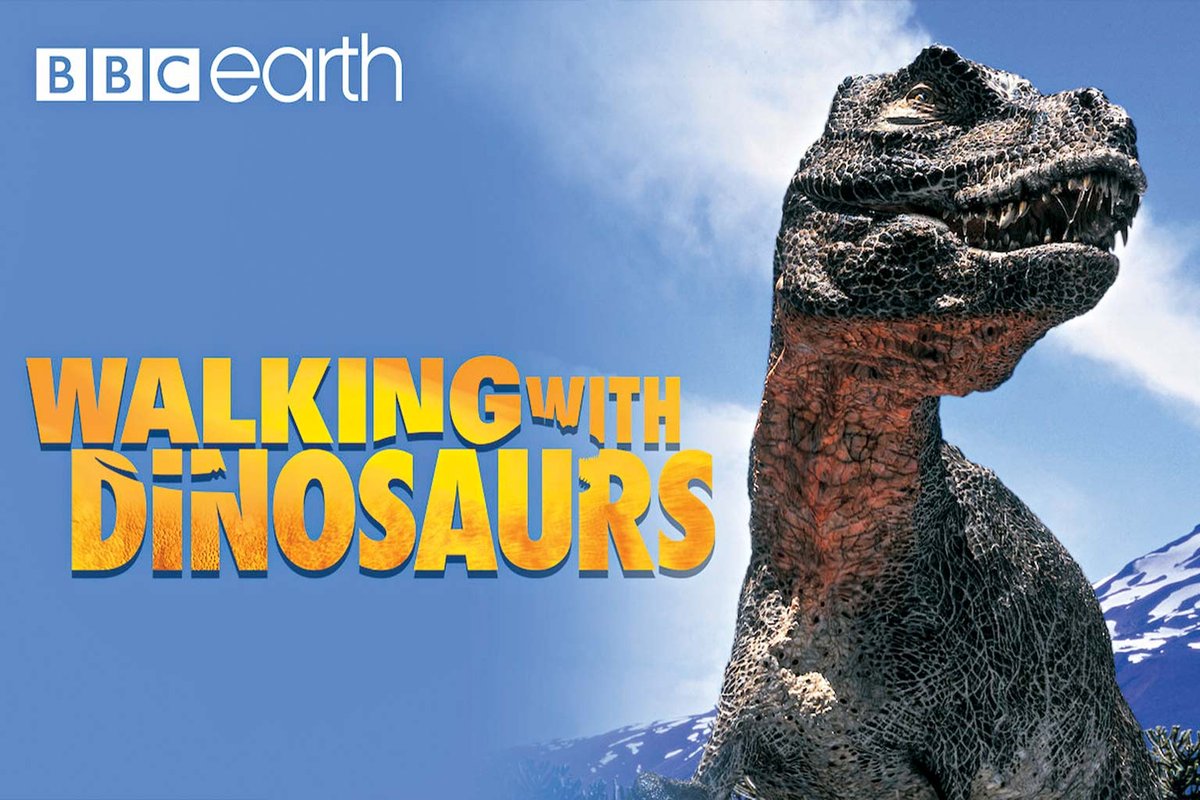
The majestic, prehistoric world of "Walking with Dinosaurs: The Movie," also known as "Walking with Dinosaurs The 3D Movie," burst onto screens in 2013, promising a grand, immersive journey back to the late Cretaceous period. Born from the legacy of the acclaimed 1999 BBC TV documentary miniseries, this animated feature, a joint venture primarily by BBC Earth and Evergreen Films, aimed to bring the awe-inspiring lives of dinosaurs to a new generation through cutting-edge animation. While it certainly delivered on visual spectacle, dazzling audiences with incredibly lifelike creatures and breathtaking landscapes, its narrative approach and voice performances often drew mixed to negative critical reception.
With a substantial budget of $85 million, the film was an ambitious undertaking, shooting on location in Alaska and New Zealand to capture authentic backdrops before populating them with fully computer-animated dinosaurs crafted by Animal Logic. Unlike its documentary predecessor, this film introduced a coming-of-age story centered around specific characters, complete with dialogue, to make the prehistoric world more relatable to younger viewers. However, this creative choice ultimately became a major point of contention, overshadowing the otherwise groundbreaking visual achievements. For a deeper dive into the film's narrative choices and how they impacted its reception, you'll want to explore Our Walking with Dinosaurs analysis.
Unveiling the Prehistoric Tale: Patchi's Journey
At its heart, "Walking with Dinosaurs: The Movie" tells the story of Patchi, a young Pachyrhinosaurus growing up in North America 70 million years ago. We meet him as a small hatchling, marked by a distinctive hole in his frill, and follow his perilous journey from infancy to adulthood alongside his older brother Scowler and his love interest, Juniper. The narrative is framed by a modern-day segment featuring a paleontologist, his niece, and nephew in Alaska, where a magically evolving Alexornis named Alex serves as our charming, if at times cheeky, guide through Patchi's life.
The film meticulously chronicles the challenges Patchi faces: the constant threat from predators like the formidable Gorgosaurus named Gorgon, the fierce rivalry with his brother Scowler, and the monumental annual migrations south that test the herd's resilience. From forest fires to frozen lakes, Patchi's world is one of constant danger and hard-won lessons, culminating in a dramatic showdown for leadership and survival. To get to know the voices behind these incredible creatures and the human characters who frame the story, delve into Walking with Dinosaurs cast and characters. John Leguizamo, Justin Long, Tiya Sircar, and Skyler Stone lent their talents to the main prehistoric cast, while Karl Urban, Charlie Rowe, and Angourie Rice appeared in the live-action segments.
The Art and Science of Bringing Dinosaurs to Life
The visual effects delivered by Animal Logic were truly the film's crowning glory, showcasing highly detailed, photorealistic dinosaurs that moved with an astonishing sense of weight and presence. The commitment to location shooting in Alaska and New Zealand provided a stunning, naturalistic backdrop, grounding the animated creatures in a believable world. This level of technical artistry was a testament to the extensive effort behind the scenes, pushing the boundaries of what was possible in family entertainment.
However, the film walked a tightrope between scientific accuracy and narrative license. While many dinosaurs were depicted with feathers – a significant nod to contemporary paleontological understanding – some choices, like a featherless Gorgosaurus, were noted by critics. Similarly, the geographical placement of certain species, such as Alexornis and Quetzalcoatlus in Alaska or the horned Pachyrhinosaurus, sometimes diverged from real-world fossil records. If you're fascinated by the technical challenges and creative decisions that went into developing such a visually ambitious project, make sure to read The making of Walking with Dinosaurs.
Soundscapes of the Cretaceous and Divergent Paths
Beyond the visuals, the film's musical score played a crucial role in enhancing the emotional beats of Patchi's journey and amplifying the grandeur of the prehistoric setting. The soundtrack aimed to create an immersive auditory experience, complementing the stunning animation with a mix of suspense, wonder, and heartfelt moments. For an in-depth exploration of the melodies and compositions that defined the film's atmosphere, you won't want to miss Dive into WWD soundtrack analysis.
It's also fascinating to note the film's evolution during production. The voiceovers for the dinosaurs were a last-minute suggestion from Fox executives, intended to simplify the story for children. This decision led to the creation of the "Cretaceous Cut," an alternative version available on Blu-Ray 3D that removes the dinosaur dialogue, offering a more direct descendant of the original documentary's style. This points to a deeper conversation about balancing entertainment with educational intent, a theme perfectly explored in Walking with Dinosaurs vs. BBC. This shorter version, "Walking with Dinosaurs: Prehistoric Planet 3D," also re-identified the Alaskan tyrannosaurid as Nanuqsaurus, correcting one of the noted scientific inaccuracies.
Legacy and Future Roars
Despite its mixed critical reception and underperformance at the box office, grossing $94.5 million against an $80 million budget, "Walking with Dinosaurs: The Movie" remains a landmark in CGI animation and a valiant effort to bring paleontology to a wide audience. Its visual ambition was undeniable, and for many, it served as an engaging, if imperfect, introduction to the wonders of the dinosaur age. The film's legacy continues, especially after 20th Century Fox's acquisition by Disney in 2019, making it readily available for new generations to discover on Disney+.
Ultimately, the "Walking with Dinosaurs animated movie" stands as a compelling case study in film production, showcasing how exceptional visual fidelity can sometimes be overshadowed by narrative choices. It invites viewers to marvel at the spectacle while prompting discussions about storytelling, scientific communication, and the enduring allure of Earth's ancient giants. It reminds us that even with the most advanced technology, crafting a timeless story remains the greatest challenge.